
Why Central Banks Make Recurring Policy Errors
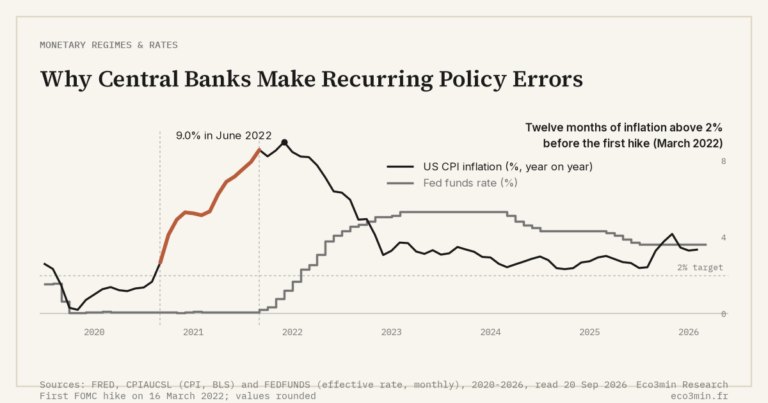
Central banks are not omniscient. Lagged data, model dependence and the inflation/unemployment asymmetry produce recurring errors that often only become visible after the cycle has turned.

Central banks are not omniscient. Lagged data, model dependence and the inflation/unemployment asymmetry produce recurring errors that often only become visible after the cycle has turned.
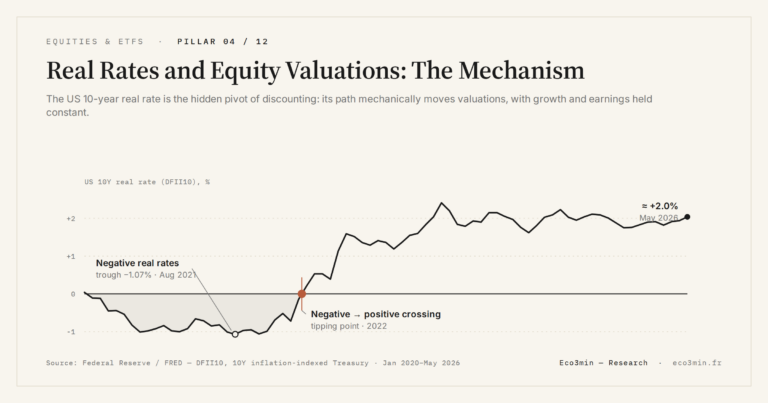
Real interest rates directly shape equity valuations through the discount rate mechanism. The channel operates independently of economic growth, often clarifying rallies that appear paradoxical.
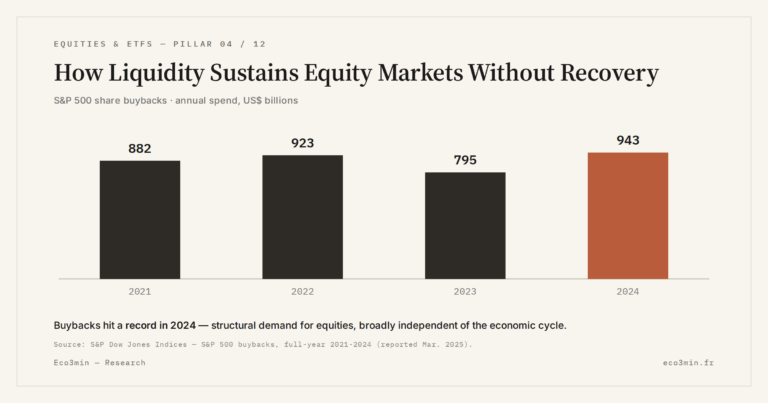
Liquidity flows can sustain equity markets without economic recovery. Passive flows, buybacks and central bank policy create autonomous market support, often disconnected from the underlying business cycle.
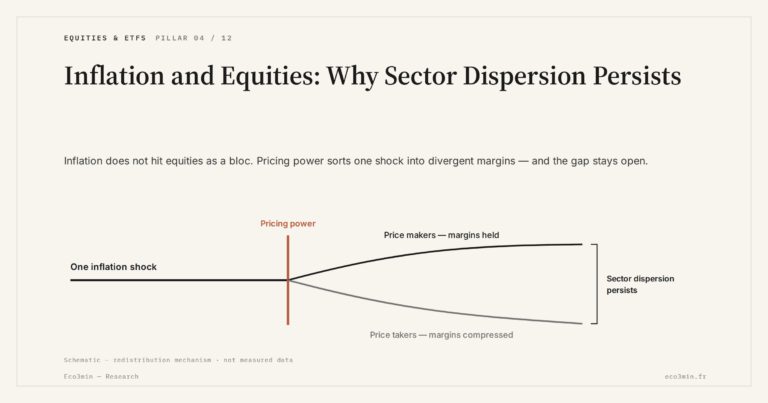
Inflation does not affect all equities equally. Differentiated effects across sectors and margins explain a growing share of the dispersion observed within equity indices.
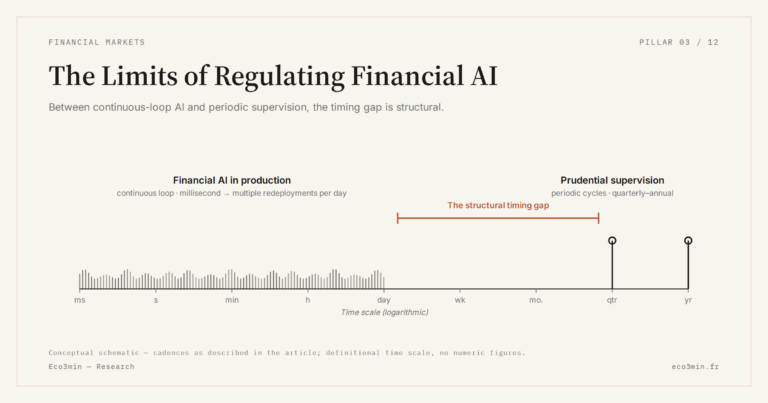
Regulation can frame financial AI without eliminating fragilities tied to system speed and complexity. Institutional norms set boundaries that cannot capture every emergent dynamic of automated systems.
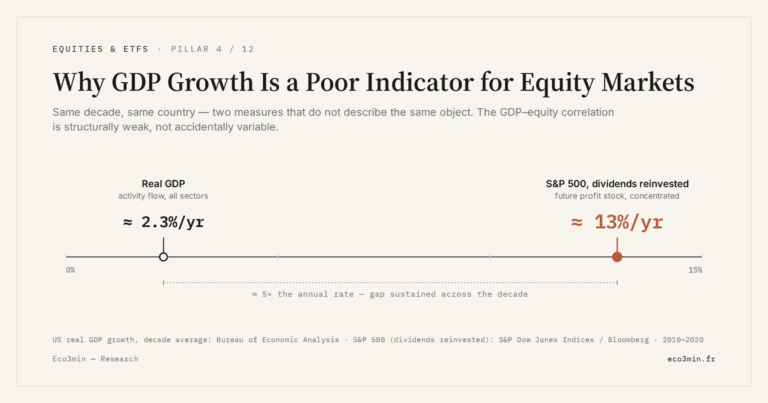
GDP growth does not reflect equity performance. The aggregate measure conflates productive and unproductive activity, while indices price concentrated future profits. Growth composition and timing lags make any direct correlation misleading.
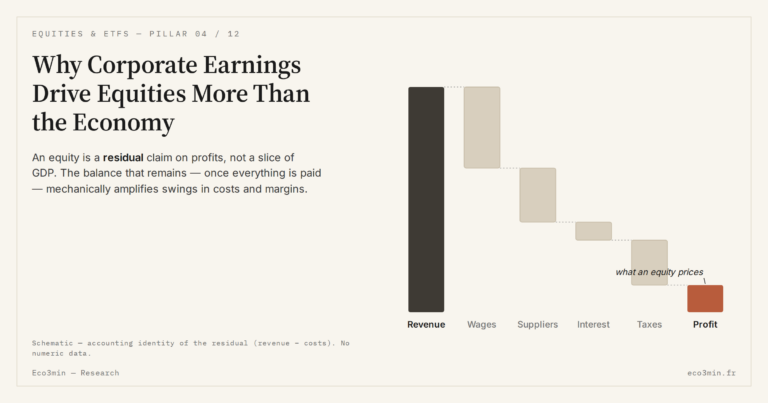
Equity markets respond less to overall economic conditions than to the trajectory of corporate profits. Margins, pricing power and international revenue exposure explain why indices can diverge persistently from domestic GDP.
Economic slowdowns rarely begin with falling demand in the data. They typically start with tighter credit conditions, with documented transmission lags of 9 to 18 months. Credit acts as a leading signal of the cycle.
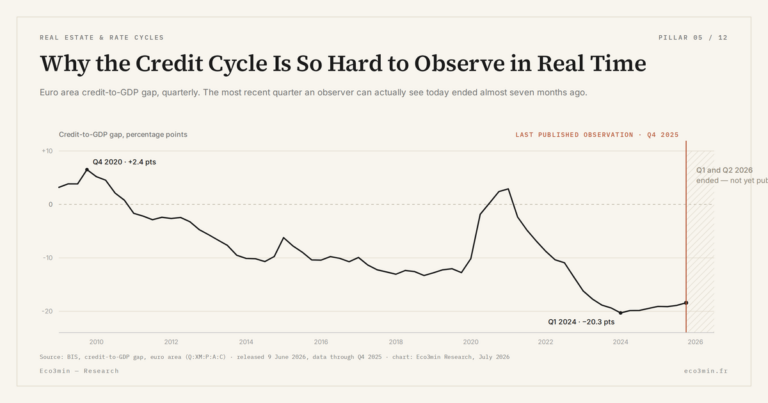
Identifying an ongoing credit cycle remains a methodological challenge. Data are released with delays, signals are contradictory, and cognitive biases distort interpretation. Definitive diagnoses are typically only possible in hindsight.
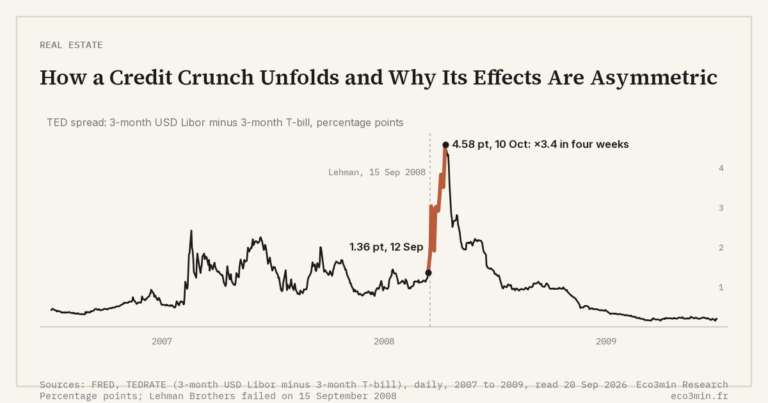
A credit crunch marks a sudden contraction in credit supply, decoupled from borrower fundamentals. Its macroeconomic effects propagate unevenly, hitting bank-dependent agents far harder than those with market access.